Pest control is the planned identification, management and prevention of unwanted organisms that threaten people, property, food, comfort or normal use of a building. The short answer to what is pest control is simple: find the pest, understand why it is present, choose a suitable control method, check the result and reduce the chance of its return. A modern service is therefore broader than spraying visible insects. It can involve inspection, sanitation, exclusion, traps, baits, monitoring, targeted pesticide application and practical advice.
That distinction matters in Melbourne, where one property may face ants, rodents, cockroaches, spiders or termites. The right response depends on the pest species, infestation severity, building layout and surrounding environment. If activity is recurring or hidden, professional pest control in Melbourne can replace guesswork with a property-specific assessment.
What Is Pest Control and What Does It Include
Pest control means regulating or managing a species that is causing, or is likely to cause, harm or unacceptable nuisance. In an urban setting, pest management covers homes, rental properties, offices, restaurants, warehouses, schools and other occupied buildings. It aims to control current pest activity while addressing the food sources, water, shelter, breeding areas and entry points that allow an infestation to develop.
For a property owner asking what is pest control in day-to-day terms, a complete service usually delivers five practical outcomes:
• Correct identification of the pest and its harbourage areas
• A pest inspection that records activity, damage and access routes
• A treatment plan matched to the property and level of risk
• Clear preparation, re-entry and aftercare instructions
• Monitoring, follow-up visits or pest prevention advice when required
Pest control and extermination are related but not identical. Extermination usually describes immediate removal, while modern professional pest control combines control, prevention and evaluation. That wider approach helps when pests live inside wall cavities, roof spaces, subfloors or appliances.
Why Pest Control Matters
Why pest control is important becomes clear when the risks are separated. Cockroaches, flies and rodents can move through waste, drains and food areas, creating food contamination and hygiene concerns. Pest debris may contribute to indoor allergens, while mosquitoes, fleas, bed bugs, spiders and wasps may cause bites and stings. Some species can play a role in disease transmission. The health risks depend on the species, setting and exposure, so identification should come first.
Rodents may gnaw insulation, packaging and electrical wiring. Termites can cause structural damage in concealed timber before obvious signs appear. Moths, silverfish and stored product pests may damage fabric, paper or dry goods, while nesting birds can foul building surfaces.
For a business, consequences can include spoiled stock, complaints, hygiene failures, interrupted operations and reputational damage. Commercial pest control therefore often includes scheduled inspections, pest monitoring and service records. Residential pest control follows the same logic: identify the cause, control activity and reduce future access.
Common Pests Found Around Melbourne Properties
Common Melbourne pests do not all respond to the same product or technique. Ant colonies may require baiting along foraging routes, while rodents may require trapping, secure bait stations and proofing. Recurring kitchen activity may need specialist cockroach control, and droppings or scratching sounds may justify a detailed rodent control inspection.
| Pest group | Common signs | Main concern | Typical management focus |
|---|---|---|---|
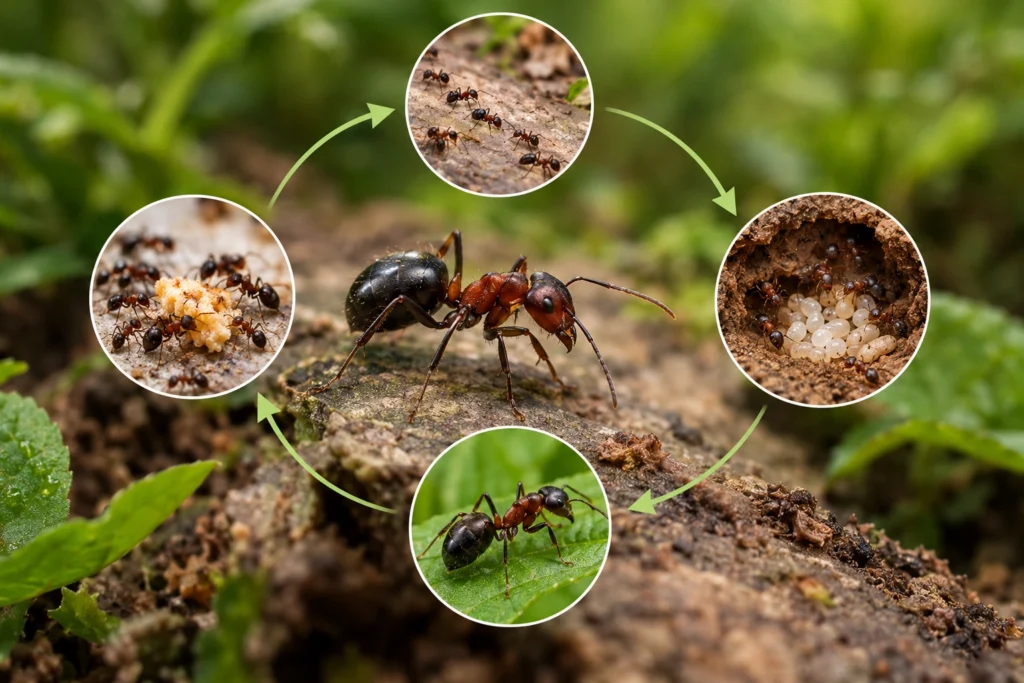
| Ants | Trails, workers near food or moisture, soil around gaps | Persistent colonies and contamination of food areas | Species identification, baiting, sanitation and entry-point treatment |
| Cockroaches | Droppings, egg cases, shed skins, musty odour or night activity | Hygiene, allergens and rapid breeding in sheltered areas | Gel baits, crack-and-crevice treatment, monitoring and moisture control |
| Rats and mice | Droppings, gnaw marks, noises, nesting material or rub marks | Food contamination, property damage and recurring access | Traps, tamper-resistant baiting systems, entry-point inspection and pest proofing |
| Termites | Mud leads, damaged timber, hollow sounds or discarded wings | Concealed timber and structural damage | Termite inspections, detection, monitoring and a site-specific termite treatment plan |
| Spiders and wasps | Webs, egg sacs, repeated sightings or an active nest | Bites, stings and restricted use of an area | Source reduction, web or nest assessment and targeted treatment |
| Bed bugs and fleas | Bites, spotting, cast skins or activity around bedding and pets | Irritation, disturbed sleep and spread between rooms | Detailed inspection, preparation, staged treatment and follow-up monitoring |
| Flies and mosquitoes | Adults near bins, drains, standing water, doors or windows | Hygiene nuisance and possible biting activity | Breeding-source reduction, screens, traps and carefully targeted control |
| Silverfish, moths and pantry pests | Damaged paper, fabric or food packaging; larvae or webbing | Damage to belongings and stored food | Identify the source, remove affected material, improve storage and treat harbourages |
These common household pests leave different warning signs. One sighting does not always prove a large pest infestation. Repeated activity, fresh droppings, new damage or recurring ant trails provide stronger evidence and help connect the visible sign to a nest, food source or access route.
How Professional Pest Control Works
Inspection and Evidence Collection
A professional pest controller confirms what the customer has seen and inspects likely risk areas, such as kitchens, cupboards, roof voids, garages, drains and the outside perimeter. Evidence may include live pests, droppings, damage, nesting sites, moisture and openings around doors, vents or pipes.
Pest Identification and Risk Assessment
Identification guides every later decision because similar signs can have different causes. The risk assessment considers pest biology, population level, affected rooms, vulnerable occupants, pets, non-target animals and environmental risk factors. Commercial assessments may also cover food safety zones and documentation needs.
Property-Specific Treatment Plan
The treatment plan explains the proposed methods, preparation, expected response and possible follow-up. It should be proportionate to the evidence rather than assuming every property needs the same spray or contract. It may combine sanitation, habitat reduction, exclusion methods, mechanical control and chemical control.
Targeted Treatment
Treatment may include gel bait, dust, a residual application, traps, secure rodent stations, heat treatments, steam, physical removal or barriers. Correct placement at harbourages, travel routes or entry points can reduce unnecessary exposure and reach the active population.
Monitoring and Follow-Up
Some results are immediate, but baits, life cycles and outside pest pressure can extend the response. Monitoring shows whether activity is falling, stable or moving. Follow-up visits allow the technician to reassess evidence, service equipment and adjust the strategy.
Prevention and Client Advice
The final stage reduces supporting conditions such as waste, leaks, damaged screens, clutter and structural gaps. This turns treatment into longer-term management.
Main Types of Pest Control Methods
A useful way to understand what is pest control is to separate the available methods by the role they play. No category is automatically best. The appropriate choice depends on the identified pest, its location, the people and animals using the property, and the outcome that must be achieved.
| Control method | What it involves | Where it helps | Important limitation |
|---|---|---|---|
| Sanitation and habitat modification | Removing food, water, clutter, rubbish and breeding material | Reduces attractants and supports long-term prevention | May not remove an established hidden population on its own |
| Physical and mechanical pest control | Traps, vacuuming, screens, door seals, mesh, barriers and physical removal | Blocks access or directly removes pests without broad chemical use | Requires correct placement, maintenance and repair of structural faults |
| Biological pest control | Using natural organisms or biological agents to suppress a target population | Useful in selected outdoor, mosquito or horticultural programs | Specialist method with limited application for many indoor infestations |
| Chemical pest control | Targeted insecticides, rodenticides, termiticides, repellents and growth regulators | Can control active pests in harbourages, routes or protected treatment zones | Product, dose, site, label directions and exposure controls must all be suitable |
| Integrated Pest Management | Combining identification, monitoring, prevention, thresholds and selected treatments | Provides a structured response to current activity and recurring risk | Requires evidence, cooperation and evaluation rather than a one-off routine spray |
Physical pest control blocks access or removes pests through devices and building changes; it does not mean one specific tool.
Integrated Pest Management, or IPM, combines compatible controls. Monitoring confirms activity, sanitation and exclusion remove support, selected treatments address the remaining problem, and evaluation checks the result. This can minimise unnecessary treatment while responding to a real infestation.
Pesticide categories serve different purposes. Insecticides target insects; rodenticides control rats and mice; termiticides support termite management; and insect growth regulators interrupt development in selected pests. Personal protective equipment (PPE), controlled application, and compliant chemical storage and disposal help protect occupants and non-target species.
DIY Pest Control and Professional Help
DIY pest control can help when the pest is correctly identified, activity is minor and the product is intended for that use. Cleaning spills, sealing food, fixing leaks and closing gaps can make a difference. Read the full label, follow safety directions and never mix products or exceed the instructions.
DIY treatment often misses hidden activity. Seek professional help when the pest cannot be identified, activity returns, several rooms are affected, damage is visible or the harbourage is inaccessible. Suspected termites, a wasp nest, widespread cockroaches, rodents in a roof void or bites linked to sleeping areas deserve assessment. For unexplained bites or spotting around beds, a focused bed bug control inspection can confirm whether bed bugs are present.
Professional help is also sensible around vulnerable occupants, food preparation or sensitive operations. Its value lies in diagnosis, method selection, exposure control, documentation and informed follow-up.
Pest Control Safety for Children and Pets
Safety depends on the product, formulation, dose, application area and property conditions. Marketing terms such as eco-friendly pest control or low-toxicity options do not remove the need for precautions. Before the appointment, tell the technician about children, pregnancy, respiratory sensitivities, aquariums, birds and other pets. This information can change product choice, placement, preparation or scheduling.
In Victoria, customers should use an appropriately licensed operator and ask what authorisation covers the proposed work. The Victorian guidance for choosing a pest control service explains the value of checking a Pest Control Licence and receiving clear information about the pesticides used. Always follow the technician’s property-specific instructions.
To prepare for pest control, you may need to clear cupboards, remove food, move pet bowls or provide access to skirting boards. Whether you must leave home during pest control and the correct re-entry time both depend on the treatment. Follow the product directions and technician’s safe re-entry advice. Aftercare may require leaving baits, treated surfaces or monitoring stations undisturbed.
How Quickly Pest Control Works
Understanding how pest control works helps set realistic expectations. Pest treatment results vary by method and infestation severity. Direct removal or trapping can produce an immediate change, while baiting systems require pests to find and interact with the bait. Cockroach or bed bug programs may need time to address different life stages. Termite management and commercial monitoring can involve ongoing inspections rather than a single finish date.
Seeing some activity shortly after service does not automatically mean failure. Pests may leave concealed harbourages, or a slow-acting treatment may still be working. Your technician should explain the expected timeframe, the signs that indicate progress and the point at which continued activity needs reassessment. Fresh evidence should gradually reduce; new damage or unchanged heavy activity should be reported.
How Often Pest Control Should Be Done and What It Costs
Treatment frequency has no universal rule. Some infestations need one treatment and a follow-up; other homes benefit from planned review because of their history, construction or surroundings. Food premises and warehouses may need scheduled inspection and monitoring because their risks differ.
Cost depends on pest species, property size, access, treatment method, infestation level and visits. Ask for a written scope covering included areas, preparation, follow-up and exclusions. A low quote may offer poor value if it ignores the source or continued activity.
Practical Pest Prevention Tips
• Store pantry food and pet food in sealed containers, and clean crumbs or spills promptly
• Empty indoor rubbish regularly and keep external bins closed as part of sound waste management
• Repair leaking taps and pipes, clear blocked drainage and remove standing water
• Reduce clutter in cupboards, garages, sheds, roof spaces and storage rooms
• Seal gaps around doors, windows, vents, utility lines and plumbing penetrations
• Trim overgrown vegetation away from walls and remove unnecessary garden debris
• Inspect deliveries, second-hand furniture and luggage before bringing them indoors
• Record where and when activity appears so recurring patterns can be assessed accurately
Prevention lowers risk, but it cannot guarantee that a property will remain pest-free. Neighbouring activity, weather, building movement, deliveries and hidden construction gaps can reintroduce pests. Regular observation allows early action before a small problem becomes established.
How to Choose a Pest Control Company
Confirm that a licensed pest controller is authorised for the required work in Victoria. Ask how the pest will be identified, what will be inspected and why the method suits the evidence. The provider should explain preparation, precautions, expected results, follow-up and pricing clearly.
Compare scope as well as price. Check whether the quote covers internal and external areas, roof or subfloor access, monitoring, proofing recommendations and reporting. Ask what any guarantee covers; clear limitations are more useful than an unrealistic promise.
Local knowledge matters because houses, apartments, restaurants and industrial properties create different risks. A strong plan combines pest biology with conditions found at the site.
Frequently Asked Questions
What is pest control in simple terms
It is the process of identifying a pest, controlling current activity and changing the conditions that help it survive or return. Depending on the situation, it may include cleaning, proofing, traps, baits, targeted pesticide use, monitoring and follow-up.
What does a pest controller do
A pest controller inspects the property, identifies the species and risk factors, develops a treatment plan, applies suitable controls and explains preparation and aftercare. The technician may also install monitoring devices, recommend repairs and return to evaluate results.
Does pest control always mean spraying chemicals
No. Chemical control is one option. A professional plan may use sanitation, exclusion, barriers, traps, heat, steam, vacuuming, baiting or habitat reduction. Integrated Pest Management selects and combines methods according to evidence instead of defaulting to a blanket spray.
Can I control pests myself
Minor activity may improve when you remove food and water, seal access points and use a correctly labelled household product. Stop and seek professional advice if you cannot identify the pest, the problem spreads, treatment repeatedly fails or the nest is hidden or hazardous.
How often should a home receive pest control
Frequency depends on the pest, previous infestations, property construction, nearby conditions and treatment results. Some homes need a one-off response; others benefit from monitoring or planned prevention. An inspection provides a better schedule than a fixed rule applied to every property.
Do I need to leave during treatment
It depends on the product and application area. Some services require people and pets to remain away during application and for a stated re-entry period; others do not. Follow the specific instructions given for your treatment rather than assuming it is safe to stay or return.
Is pest control suitable for homes with children and pets
A technician can select and place treatments with occupants in mind, but suitability is conditional. Disclose children and animals, remove or protect food and water bowls when instructed, keep them away from equipment and treated zones, and observe all re-entry and aftercare directions.
How much does professional pest control cost
Price depends on species, property size, access, severity, treatment type and follow-up needs. Request a property-specific estimate and compare what is included. The useful question is whether the scope addresses the source, safety requirements and expected monitoring, not only the initial fee.
Why am I still seeing pests after treatment
Some methods work gradually, and eggs or concealed insects may remain active for a period. Follow the stated timeframe and avoid moving baits, traps or monitoring stations. Contact the provider if heavy activity continues, fresh damage appears or results differ from what the technician explained.
When should I call a professional pest controller
Knowing when to call a professional is straightforward: act when activity is repeated, widespread, unidentified or inaccessible; when you see droppings, gnawing, structural damage or a nest; or when pests affect food areas, occupants, pets or business operations. Early identification usually gives the technician more control options.
Protect Your Melbourne Property With a Clear Plan
Once you understand what is pest control, the key point is clear: reliable management begins with evidence and ends with prevention. Correct identification, a proportionate treatment, careful safety instructions and follow-up provide more value than repeatedly treating the pests you can see.
If your search for what is pest control began because you have found activity at home or work, Total Care Pest Control can assess the pest, affected areas and likely entry points before recommending the next step. Contact the Melbourne team for a property-specific estimate.
Total Care Pest Control
Phone: 0480 210 636
Email: accounts@totalcarepest.com.au
Address: Greenvale, Victoria 3059
Website: totalcarepest.com.au